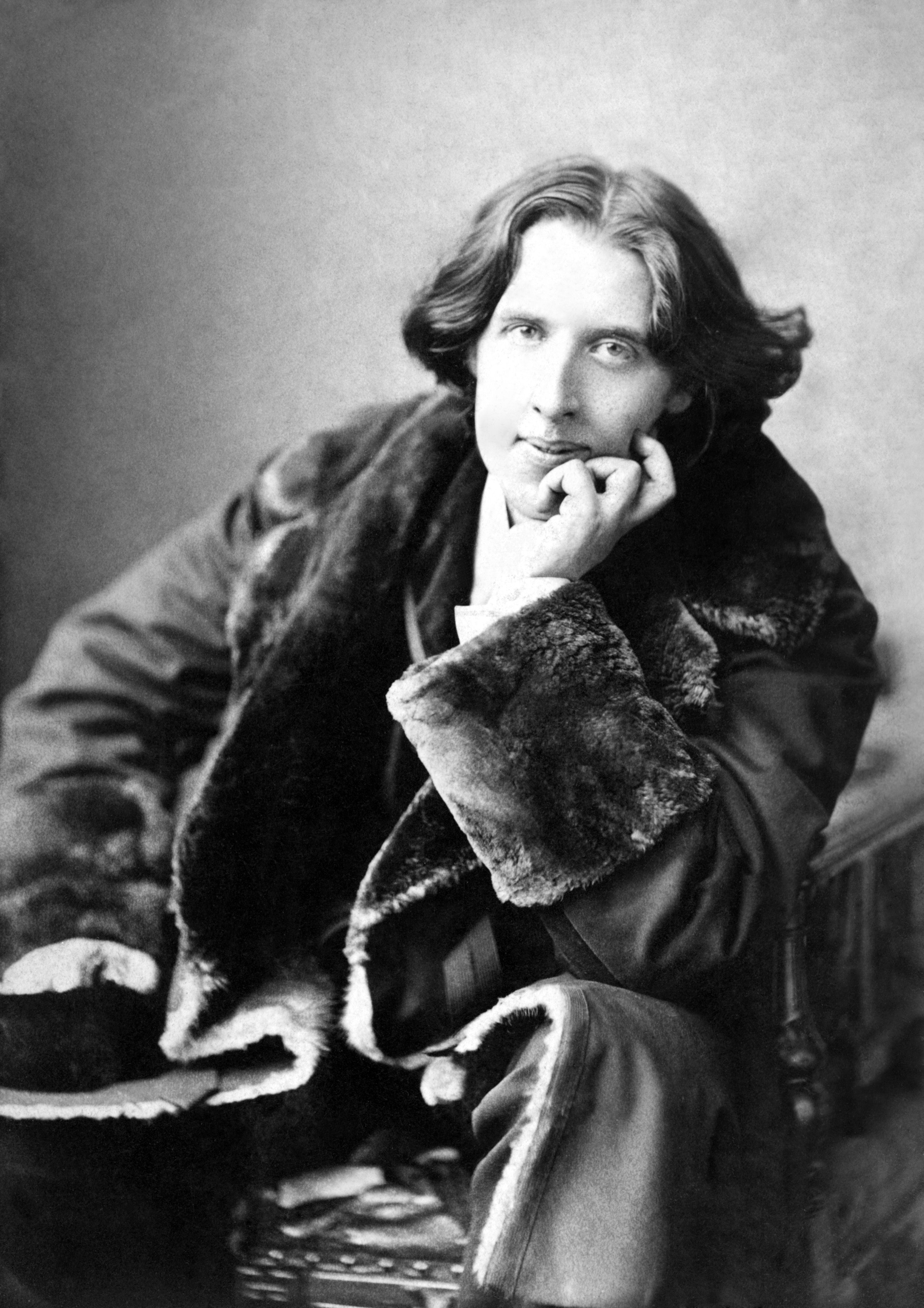
"I believe in the magic of words, in the magic of books, in the magic of being a Reader. There are three kinds of people in the world, those who are a Reader, and those who are not. You may think that this only adds up to two types of people. But that is only if you are one of those people who indeed can count."
—Max G. Bernard, "The Reader Suffers the Theft of Dostoyevsky"
(Dedicated to Jeff Hawkins)
Tuesday, April 24, 2012


Friday, April 20, 2012
Magic as Reassurance

A magician begins “doing incredible things with big silver hoops” for no less a purpose that to REASSURE a spectator. (This we learn in an intriguing illustration in The Saturday Evening Post, Nov. 12, 1904.) We don’t typically associate reassurance — the restoration of confidence — to tricksters; we all know that a “confidence man” is ironically named.
How exactly does the demonstration of a mystery serve to put a spectator’s mind at rest? See our article in Secret Art Journal:
http://www.secretartjournal.com/archives/467
Wednesday, April 18, 2012
Rosewood Mysteries

A friend writes:
The first writing I ever did -- I was about 7 or 8 -- was to make up 'magic' words -- some kind of incantation about rosewood (which I thought literarily meant the wood of a rose..which I harvested from the garden) which I then wrote on cue cards and recited from time to time, and hid in a little grey box. We are always in search of ourselves in words, in the world, in mystery and confusion.
Beautiful, eh?
Friday, April 13, 2012
The Colour Element of Thought and Imagination

A cross-posting with our Abecedarian blog:
In a letter to historian and mocker of superstition William Harnett Blanch, the illumined Oscar Wilde wrote, "I love superstitions. They are the colour element of thought and imagination They are the opponents of common sense. Common sense is the enemy of romance. The aim of your society [a club serving 13 courses, with ladders to walk under, mirrors to break, black cats, and so forth] seems to be dreadful. Leave us some unreality" (qtd. in Phil Baker's biography of Austin Osman Spare).
Tuesday, April 10, 2012
What's in a Name?
We're often asked about our latest research. The following description isn't a sales pitch — the only profit we'll see is other folks putting our ingenuity to use and sparking insights in others.
Our latest project, a few years in development, is a system for decoding Egyptian echoes within the letters in one's name. It's technically a system for magicians to use, but there's nothing "tricky" or insincere about the system; the symbolism is genuinely there and deeply meaningful. Most vitally, we offer instruction on how to be a spontaneous poet, using the letters in someone's name to trigger original Egyptian poetry, instantly and effortlessly.
Here's a link to a fuller description, if you're interested in the idea of awakening Egyptian poetry from a name:
http://aweber.com/t/NM2fO
Our latest project, a few years in development, is a system for decoding Egyptian echoes within the letters in one's name. It's technically a system for magicians to use, but there's nothing "tricky" or insincere about the system; the symbolism is genuinely there and deeply meaningful. Most vitally, we offer instruction on how to be a spontaneous poet, using the letters in someone's name to trigger original Egyptian poetry, instantly and effortlessly.
Here's a link to a fuller description, if you're interested in the idea of awakening Egyptian poetry from a name:
http://aweber.com/t/NM2fO
Monday, April 9, 2012
A Sigil Puzzle

Here's a sigil puzzle from -- of all things -- a children's magazine from 1873. The sigils communicate a well-known aphorism with celestial inclinations.
Answer:
Reading from top to bottom, then left to right: "To err is human; to forgive, divine." From Our Boys and Girls Monthly, February 1873, p. 138.
Thursday, April 5, 2012
Which Ones are Word Magic?

"We have words for 'potato' and 'mermaid' and 'luck.' Which ones are word magic and which are not?" —W. Ward Fearnside, About Thinking (1996)
[The mermaid plaque is from our favorite magical village, Portmeirion.]
Subscribe to:
Posts (Atom)